Skip to content
5Mins.ai Header

Bite-size your internal training at the touch of a button

Our AI system automatically converts your content to exciting and engaging bite-sized lessons in any format you want. Shorten training by 60 - 80%, boost engagement, and accelerate ramp by 3- 5x.

PDF to Flashcards
GIF Maker (1180 x 1080 px) (1)
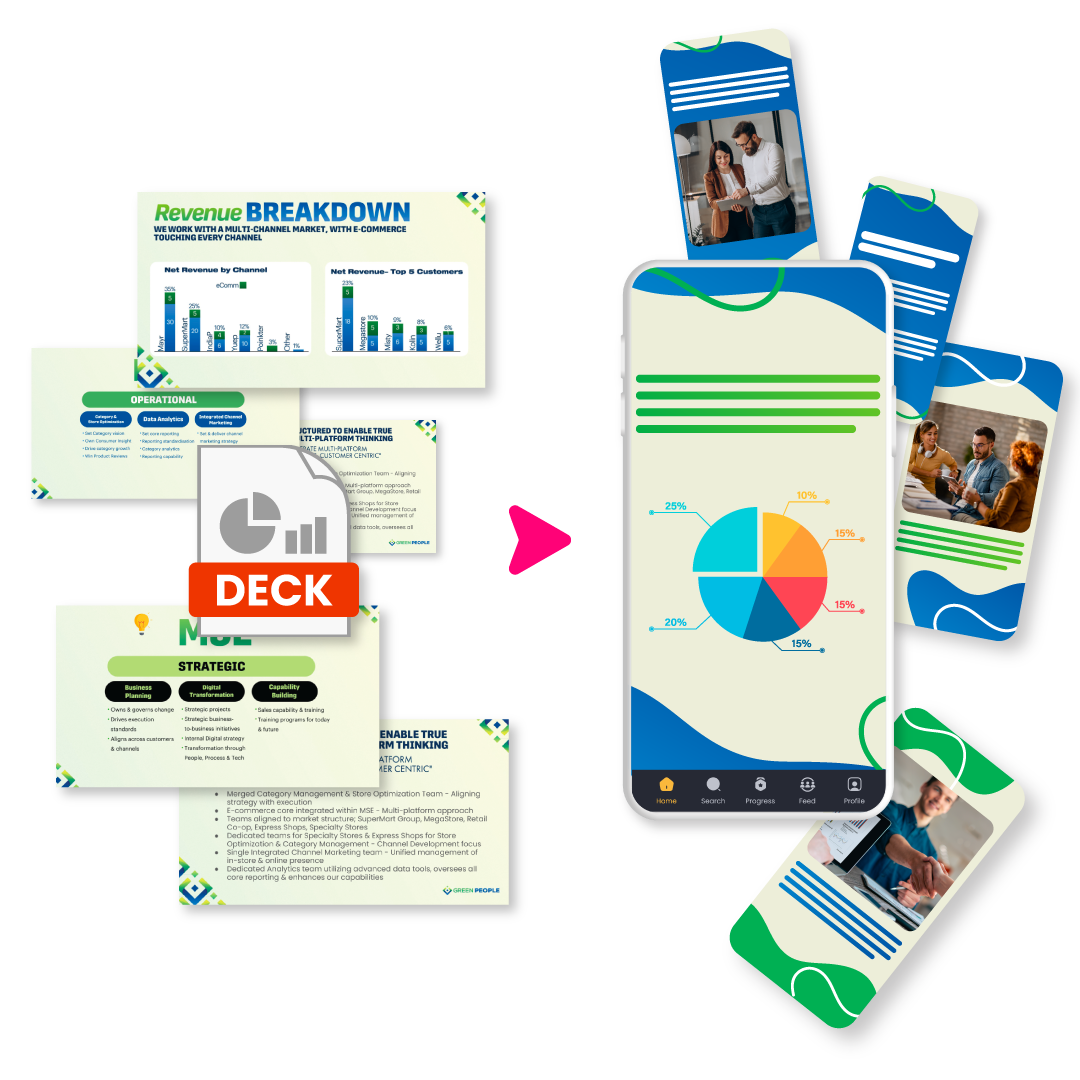
PPT Bitesizing v2 (1)
Long Vid Bitesizing GIF
Preventing Workplace Harassment (US, all states) Non-Supervisor Training - 5mins AI

Preventing Workplace Harassment (US, all states)

Essential training for employees on recognising harassment, understanding legal protections under Title VII and state laws, bystander intervention techniques, and reporting procedures with retaliation protection

Why Workplace Harassment Prevention Training Matters

Workplace harassment is a critical issue that impacts both employees and organisations. It can create a toxic environment, reduce productivity, and damage morale. Workplace harassment refers to unwelcome behaviour that creates a hostile, intimidating, or offensive environment. It can take many forms, including verbal comments, physical actions, or digital communication. Harassment affects not only the individuals targeted but also the entire workplace culture.

This training is designed to help employees recognise and understand harassment in its various forms, empower them to identify behaviours that contribute to a hostile work environment, and provide guidance on how to report concerns safely and effectively. Workplace harassment prevention is about more than compliance—it is about creating an environment where everyone feels safe and valued. By understanding what harassment is and embracing your role in prevention, you can help build a positive, inclusive workplace culture.

Why This Training Is Essential for Your Organisation

Creating a harassment-free workplace is a shared responsibility. Employees should treat colleagues with respect and professionalism and speak up when witnessing inappropriate behaviour. Organisations have a responsibility to establish clear policies and reporting mechanisms, provide training and resources to promote awareness and prevention, and respond promptly and fairly to complaints.

Harassment not only violates legal protections—it also causes real harm. For individuals, it can lead to increased stress, anxiety, and decreased job satisfaction. Employees who experience harassment often disengage or struggle to contribute, affecting their confidence and well-being. For organisations, unchecked harassment can result in reduced productivity, higher turnover, and serious reputational and legal risks. A company that fails to address complaints may face lawsuits and struggle to retain talent.

🎯 Learning Outcomes

Understand Workplace Harassment and Its Impact

Define workplace harassment as unwelcome behaviour creating a hostile, intimidating, or offensive environment. Understand how harassment affects individuals through stress, anxiety, and decreased job satisfaction. Recognise the organisational impact including reduced productivity, higher turnover, and legal risks.

Recognise the Various Forms of Harassment

Identify verbal, physical, visual, and digital harassment. Understand sexual harassment including quid pro quo and hostile work environment. Recognise discrimination-based harassment targeting protected characteristics. Distinguish between workplace bullying and harassment.

Understand Legal Protections and Employee Rights

Know federal protections under Title VII, the ADA, and ADEA. Understand that state laws may provide broader protections. Recognise employee rights to a harassment-free environment and to file complaints without retaliation. Understand the role of the EEOC in handling federal complaints.

Prevent a Hostile Work Environment

Identify characteristics of a hostile work environment. Model professional behaviour and treat all colleagues with respect. Use bystander intervention techniques including direct intervention, distraction, delegation, documentation, and delayed action.

Report Harassment Effectively

Know internal reporting options including managers, HR, and anonymous hotlines. Understand external reporting through the EEOC and state labour boards. Recognise retaliation and understand legal protections against adverse actions for reporting in good faith.

📋 Course Modules

Introduction to Workplace Harassment Prevention

Understand what constitutes workplace harassment—unwelcome behaviour creating a hostile, intimidating, or offensive environment. Learn the goals of prevention training: educating employees, promoting a safe workplace, and encouraging action. Recognise the shared responsibility between employees and organisations in maintaining a harassment-free environment.

Recognising and Understanding Harassment

Identify forms of harassment: verbal (offensive jokes, slurs), physical (unwanted contact, intimidation), visual (offensive materials), and digital (inappropriate emails or messages). Understand sexual harassment including quid pro quo and hostile work environment. Recognise protected characteristics under federal law and distinguish bullying from harassment.

Legal Protections Against Workplace Harassment

Learn federal protections under Title VII of the Civil Rights Act, the Americans with Disabilities Act, and the Age Discrimination in Employment Act. Understand that state laws may provide broader protections. Know employee rights to a harassment-free environment and to file complaints without retaliation. Understand employer obligations to establish policies, provide training, and investigate promptly.

Preventing a Hostile Work Environment

Recognise when offensive, intimidating, or unwelcome conduct affects job performance. Model professional behaviour and be mindful of how words and actions affect others. Apply bystander intervention techniques: speak up directly, distract to defuse tension, delegate to HR or supervisors, document incidents, and check in with affected colleagues later.

Reporting Harassment and Retaliation Protection

Use internal reporting channels including managers, HR, and anonymous hotlines. Escalate to external agencies like the EEOC or state labour boards if internal mechanisms fail. Understand retaliation protections under Title VII—employees who report in good faith are protected from termination, demotion, reduced hours, or exclusion from meetings and projects.

👥 Best Practices for Employees

Creating a Respectful Workplace

  • Treat all colleagues with respect and professionalism regardless of their background
  • Be mindful of how your words and actions affect others
  • Avoid offensive jokes, slurs, derogatory remarks, or inappropriate comments
  • Include all team members in discussions and avoid behaviours that isolate or exclude others

When Witnessing Harassment

  • Speak up directly if safe to do so—calmly state that the behaviour is inappropriate
  • Distract the situation by shifting focus or changing the subject to defuse tension
  • Delegate by reporting the behaviour to a supervisor, HR, or another trusted resource
  • Document what happened including dates, times, and individuals involved
  • Check in with the affected individual later to offer support

When Experiencing Harassment

  • Document the behaviour including who was involved, dates, and any witnesses
  • Report through internal channels such as your manager, HR, or an anonymous hotline
  • File a complaint with the EEOC or state labour board if internal reporting fails
  • Know that you are protected from retaliation when you report in good faith
Compliance Testimonials Slider

Why teams love us

"Our previous compliance training was like 3+ hours...Now literally in 20 minutes you got everything you need and the knowledge you need to retain. Every single one who's seen it, especially people working in hospitality for 5+ years, were insanely happy and impressed."
Dimitar Dimitrov
Dimitar Dimitrov LinkedIn
Training Manager
Paris Baguette Logo
"5Mins.ai provides a readymade solution that allows me to provide tailored, up-to-date training to the entire firm while I build out our compliance function. It's scalable, efficient, and gives me reassurance."
Abdul Gofur
Abdul Gofur LinkedIn
Head of Compliance & Anti-Financial Crime
"The platform is incredibly user-friendly and the content is engaging. We saw an 84-85% activation rate in the first week, and it has made our onboarding process much slicker and easier."
Chantelle Hazell
Chantelle Hazell LinkedIn
HR Manager
Iken Logo
"5Mins.ai has transformed our compliance training. It's a much more efficient and user-friendly process, and we can now monitor progress and ensure information is retained."
Lucy Wyborn
Lucy Wyborn LinkedIn
Director of Learning and Development
ICAB Logo
"5Mins.ai saved our employees two to three hours on compliance training, which is a huge amount for an 80-person company. The platform is user-friendly, and the ability to create and push out playlists is a game changer."
Sarah Richardson
Sarah Richardson LinkedIn
Talent Partner
Altruistiq Logo

Thousands of Teams Trust 5Mins.ai with their Compliance

zoe-logo-brand
PB_LOGOS
bigfangcollective_logo
640px-HP_logo_2012.svg
GB_BIG-234d6264
holiday-extras-horizontal-web
Screenshot 2025-07-09 at 14.34.51
Compliance Hero Image

Compliance training your team won't dread

Compliance training and maintaining compliance is critical, but let's be honest, no one really likes doing it. 

With 5Mins.ai you can: 

  • Speed up training by 3 - 5x
  • Save your employees hours
  • Boost engagement by 6 - 10x 
  • Gamify the full training experience

Kill the admin headache

Save up to 20 hours EVERY MONTH on compliance training admin through 5Mins.ai's system. 

Fully automate enrolment, reporting and reminders. Never have to chase your team to do their compliance training, or scramble through spreadsheets for completion reporting ever again. 

Botones CTA Personalizados
Preventing Workplace Harassment (US, all states) Non-Supervisor Training - FAQ

Frequently Asked Questions

What are the different forms of workplace harassment?
Workplace harassment can take many forms. Verbal harassment includes offensive jokes, slurs, derogatory remarks, or threats—for example, a manager making repeated negative comments about an employee's accent or cultural background. Physical harassment includes unwanted physical contact, aggressive gestures, or intentional intimidation. Visual harassment involves displaying offensive materials or making inappropriate visual gestures. Digital harassment occurs through emails, social media, or instant messages, such as sending unprofessional or offensive content in a team chat. Sexual harassment involves unwelcome sexual advances, requests for sexual favours, or inappropriate comments of a sexual nature, and can take the form of quid pro quo harassment (where workplace benefits are tied to sexual favours) or a hostile work environment (where pervasive sexual conduct creates an intimidating atmosphere).
What is the difference between workplace bullying and harassment?
While bullying and harassment often overlap, they are distinct. Bullying involves repeated, intentional behaviour to demean or intimidate someone, regardless of protected characteristics. Harassment specifically targets protected characteristics and is often tied to discriminatory intent. For example, spreading false rumours about a colleague to damage their reputation is bullying. However, mocking their religion is harassment. Under federal law, protected characteristics include race, colour, national origin, religion, sex (including pregnancy, sexual orientation, and gender identity), age (40 or older), disability, and genetic information. Some state laws may expand this list to include additional categories such as marital status, military status, or political affiliation.
What legal protections exist against workplace harassment?
Federal laws provide robust protections against workplace harassment. Title VII of the Civil Rights Act of 1964 prohibits harassment based on race, colour, religion, sex, or national origin—employers must take reasonable steps to prevent and address harassment. The Americans with Disabilities Act (ADA) protects individuals with disabilities from harassment and discrimination, requiring employers to provide reasonable accommodations. The Age Discrimination in Employment Act (ADEA) prohibits harassment against employees aged 40 and older. In addition to federal laws, states have their own harassment laws that may provide broader protections, such as explicitly prohibiting harassment based on sexual orientation, gender identity, or marital status. Employees have the right to work in a harassment-free environment, file a complaint without retaliation, and access external resources such as the EEOC or state labour boards if internal reporting fails.
How can I intervene when I witness harassment?
Employees can use bystander intervention techniques to safely and effectively address inappropriate behaviour. Direct intervention involves speaking up immediately—calmly telling a colleague that their comment is inappropriate can discourage further harassment. Distraction means shifting focus to defuse the tension without escalating conflict, such as changing the subject or interrupting with a neutral comment. Delegation involves reporting the behaviour to a supervisor, HR, or another trusted resource if the situation feels unsafe or beyond your authority. Documentation means recording what happened, including dates, times, and individuals involved, to support investigations if needed. Delayed action means checking in with the affected individual later if intervention was not possible in the moment, asking whether they are okay and if they want help reporting what happened.
What protections exist against retaliation for reporting harassment?
Employees are legally protected from retaliation when they report harassment in good faith. Title VII of the Civil Rights Act and other federal laws ensure that employees who report harassment are safeguarded against adverse actions. Retaliation can include termination, demotion, reduced hours, negative performance reviews, or subtler actions such as exclusion from meetings or projects. For example, an employee who reports harassment and then finds themselves reassigned to a less desirable role is experiencing retaliation, which violates federal laws. Employers must maintain confidentiality, monitor the treatment of employees who file complaints, and respond swiftly if retaliation occurs. If internal reporting fails or involves someone in a leadership role, employees can escalate concerns to the EEOC or state labour boards.
Preventing Workplace Harassment (US, all states) Non-Supervisor Training

Build a respectful workplace with bite-sized harassment prevention training.

With 5Mins.ai, workplace harassment prevention requirements become snack-sized videos employees watch.

  • Fully automated tracking eliminates manual follow-ups.
  • Live dashboards prove compliance in a single click.
  • Super-short 3–5-minute lessons keep learning efficient.

Ready to Create a Safe and Inclusive Workplace?

Join thousands of professionals who trust 5mins.ai for comprehensive harassment prevention training.

👥 50,000+ Learners🚀98% Completion Rate
🏆 Leader in Compliance Training
G2 Logo CPD Certified

Get started for Free