Bite-size your internal training at the touch of a button
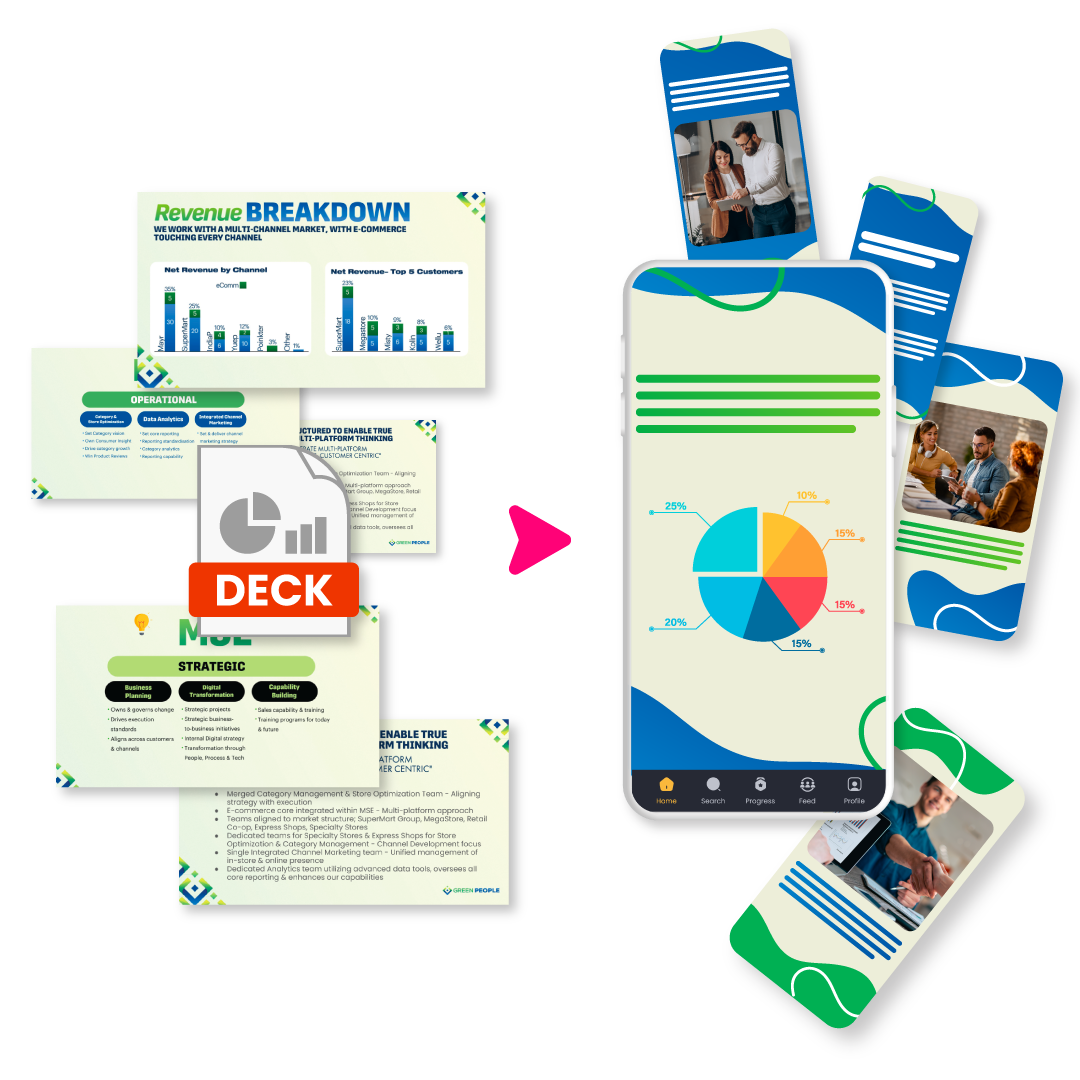
Our AI system automatically converts your content to exciting and engaging bite-sized lessons in any format you want. Shorten training by 60 - 80%, boost engagement, and accelerate ramp by 3- 5x.

Whistleblowing
Comprehensive training on whistleblowing frameworks, reporting mechanisms, legal protections, and best practices for building a speak-up culture
Why Whistleblowing Training Is Critical for Organisations
Whistleblowing is the act of reporting unethical, illegal, or unsafe practices within an organisation, focusing on concerns that affect the public interest beyond personal disputes. By speaking up about issues such as fraud, corruption, bribery, health and safety violations, and environmental damage, employees and stakeholders help organisations stay accountable, protect the public, and maintain trust.
In the financial services sector, whistleblowing plays a critical role in maintaining market integrity and investor confidence by exposing fraudulent accounting, insider trading, market manipulation, mis-selling of financial products, breaches of anti-money-laundering or sanctions rules, and unethical treatment of clients. Global regulators including the U.S. Securities and Exchange Commission, European Securities and Markets Authority, Monetary Authority of Singapore, and Australia's ASIC rely on whistleblower information to detect misconduct early and uphold confidence in the financial system.
Why This Training Is Essential for Your Organisation
Whistleblowing laws vary across the globe, but the principle is consistent: disclosures made in good faith and in the public interest should be protected. In the UK, this principle is set out in the Public Interest Disclosure Act 1998, while the EU reflects it in the Whistleblower Protection Directive. In the US, laws such as Sarbanes-Oxley and Dodd-Frank provide protections in corporate and financial contexts, with India's Whistle Blowers Protection Act 2014, Japan's Whistleblower Protection Act 2004, South Korea's Act on the Protection of Public Interest Whistleblowers, and Australia's Corporations Act providing similar safeguards.
When misconduct is reported early, organisations can address problems before they escalate into major risks, protecting organisational integrity by preventing regulatory breaches and reputational harm, safeguarding employees and customers by ensuring safety and fairness, and helping protect the public by reducing harm to communities, markets, and the environment. Effective whistleblowing policies provide clear reporting channels including hotlines, anonymous web portals, and secure apps, with concerns raised internally to managers, HR, compliance officers, or externally to regulators, law enforcement, or oversight bodies when internal systems fail or issues pose significant public risk.
🎯 Learning Outcomes
Understand Whistleblowing and Its Importance
Define whistleblowing as reporting unethical, illegal, or unsafe practices affecting public interest, distinguish between internal and external whistleblowing, differentiate whistleblowing from personal grievances, and recognize its role in promoting integrity, accountability, and public safety across organisations and financial markets.
Identify Qualifying Disclosures and Public Interest
Determine what makes a disclosure valid including criminal offences, breaches of law, health and safety risks, and environmental harm, apply the public interest requirement to distinguish issues beyond personal complaints, assess severity, urgency, and available evidence before raising concerns, and understand common whistleblowing reasons in financial services such as fraud, market manipulation, and AML breaches.
Navigate Global Whistleblower Protections and Reporting Channels
Recognize global frameworks including OECD, UN, EU Whistleblower Protection Directive, US Sarbanes-Oxley and Dodd-Frank, UK PIDA, and protections in India, Japan, South Korea, and Australia, understand internal reporting to managers, HR, compliance officers, and anonymous hotlines, identify external reporting options to regulators, law enforcement, and oversight bodies, and learn the role of compliance functions and regulators in addressing disclosures.
Ensure Confidentiality and Effective Follow-Through
Protect whistleblower identity through secure handling of information and confidentiality assurances, understand options for anonymous reporting and their limitations, escalate concerns externally when internal mechanisms fail or are compromised, maintain comprehensive documentation of dates, observations, and steps taken, and recognize the importance of timely reporting in preventing harm and preserving evidence.
Implement Best Practices for Whistleblower Policies
Design effective policies with clear scope, accessible reporting channels, investigation procedures, and non-retaliation protections, apply global best practices including confidentiality, ISO 37002 guidance, and leadership support, build a speak-up culture through training and visible management commitment, and provide legal, emotional, and professional support for whistleblowers including counselling and career protection.
Apply Whistleblowing Principles in Financial Services
Identify financial misconduct requiring whistleblowing including falsified records, insider dealing, mis-selling, and AML failures, understand regulatory expectations from SEC, ESMA, MAS, and ASIC for early detection, recognize how internal reporting interacts with regulatory obligations and suspicious activity reporting, and demonstrate how robust whistleblowing frameworks protect market integrity and investor confidence.
📋 Course Modules
Introduction to Whistleblowing
Understand the definition and importance of whistleblowing in promoting integrity, accountability, and public safety. Learn the difference between internal and external whistleblowing and distinguish whistleblowing from personal grievances. Recognize global legal frameworks including UK PIDA, EU Directive, US SOX and Dodd-Frank, and protections in India, Japan, South Korea, and Australia.
Deciding to Blow the Whistle
Identify what makes a disclosure valid through qualifying disclosure criteria and the public interest requirement. Understand common reasons for whistleblowing including fraud, corruption, safety violations, and environmental damage. Assess severity, urgency, and available evidence before raising concerns. Learn the importance of timing, preparation, and gathering credible information before speaking up.
Speak Up: Reporting Mechanisms
Navigate global whistleblower protections from OECD, UN, EU, and US frameworks. Learn internal reporting options including managers, HR, compliance officers, and anonymous hotlines. Understand external reporting to regulators, law enforcement, and oversight bodies. Recognize the role of compliance functions and financial regulators such as SEC, ESMA, MAS, and ASIC in addressing disclosures.
Ensuring Effective Follow-Through
Understand confidentiality and protections for anonymous complaints with secure handling of whistleblower information. Learn when and how to escalate concerns externally if internal mechanisms fail or are compromised. Recognize the importance of timely reporting and thorough documentation. Apply follow-through principles in financial services including AML obligations, internal audit investigations, and regulatory notifications.
Best Practices for a Whistleblower Policy
Design policies with key components including scope, accessible channels, investigation procedures, and protections against retaliation. Apply global best practices including non-retaliation, confidentiality, and ISO 37002 guidance. Build a speak-up culture through leadership support, regular training, and visible commitment. Provide legal, emotional, and professional support for whistleblowers ensuring careers are protected and counselling is available.
👥 Role-Based Best Practices for Whistleblowing Compliance
Employees and Frontline Staff
- Recognize qualifying disclosures including fraud, corruption, health and safety risks, and regulatory breaches in the public interest
- Gather credible evidence including dates, times, people involved, and observations before raising concerns
- Use internal reporting channels such as managers, HR, compliance officers, or anonymous hotlines as the first step
- Escalate externally to regulators or law enforcement if internal mechanisms fail, are compromised, or the issue poses significant public risk
Compliance Officers and HR Teams
- Provide accessible reporting channels including hotlines, anonymous web portals, and secure apps with clear instructions
- Acknowledge reports promptly, investigate fairly, and provide updates to whistleblowers where possible while maintaining confidentiality
- Protect whistleblower identity using secure systems and share information only where legally required
- Document all whistleblowing cases including incident details, investigation steps, and outcomes for audit and regulatory purposes
Senior Management and Oversight
- Approve and oversee whistleblowing policies with clear scope, channels, investigation procedures, and non-retaliation protections aligned with ISO 37002
- Demonstrate leadership support by visibly promoting a speak-up culture and ensuring regular training for all employees
- Provide legal, emotional, and professional support for whistleblowers including counselling, employee assistance programmes, and career protection
- Review whistleblowing cases regularly to identify systemic issues, strengthen controls, and ensure accountability across the organisation
Why fintech leaders love us
Powering compliance and growth for leading FS teams
Compliance training that your team won't dread
Compliance training and maintaining compliance is critical, but let's be honest, no one really likes doing it.
With 5Mins.ai you can:
- Speed up training by 3 - 5x
- Save your employees hours
- Boost engagement by 6 - 10x
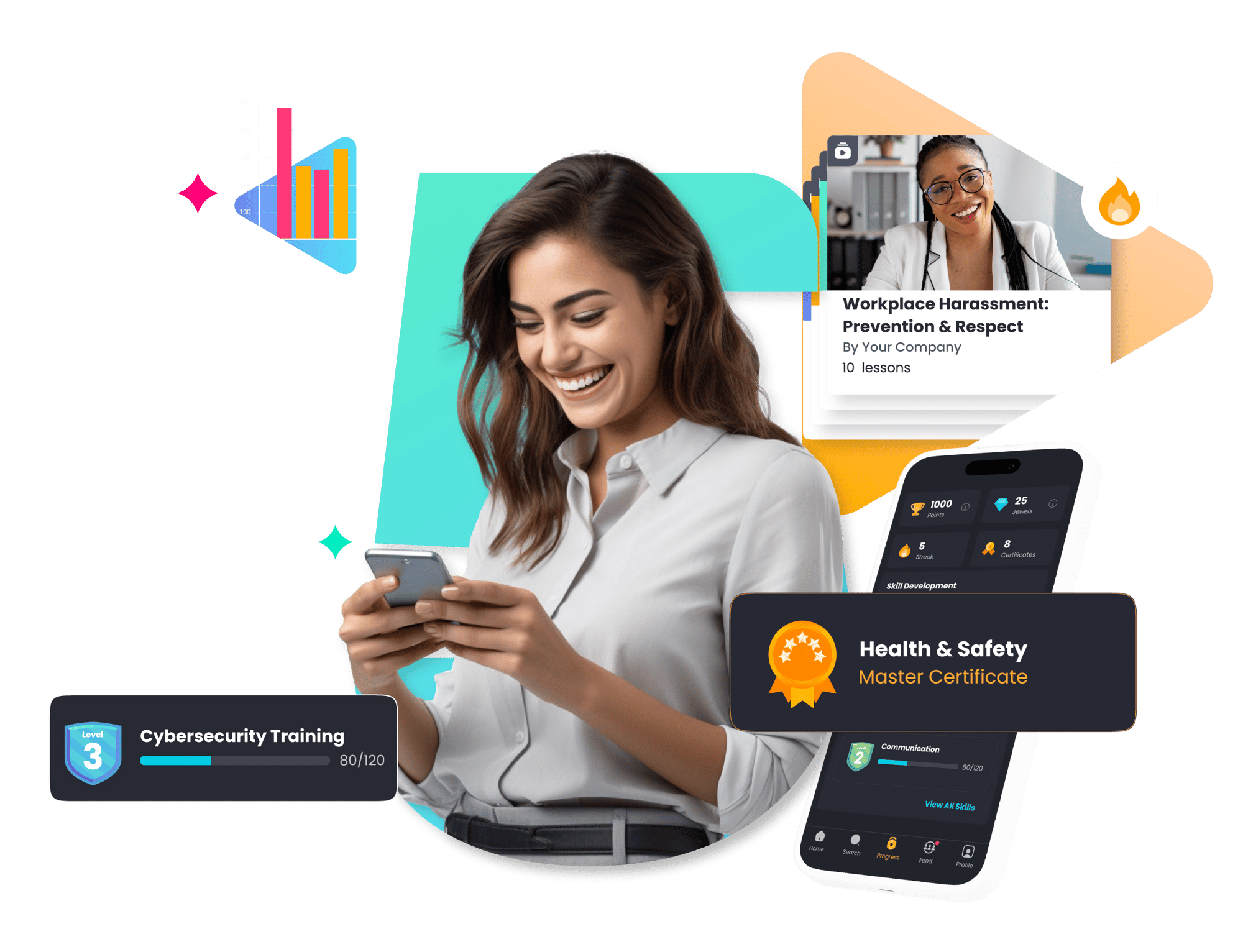
- Gamify the full training experience
Kill the admin headache
Save up to 20 hours EVERY MONTH on compliance training admin through 5Mins.ai's system.
Fully automate enrolment, reporting and reminders. Never have to chase your team to do their compliance training, or scramble through spreadsheets for completion reporting ever again.
Build a speak-up culture with bite-sized whistleblowing compliance training.
With 5Mins.ai, whistleblowing frameworks and reporting procedures become snack-sized videos employees watch.
- Fully automated tracking eliminates manual follow-ups.
- Live dashboards prove compliance in a single click.
- Super-short 3–5-minute lessons keep learning efficient.
Ready to Strengthen Your Speak-Up Culture?
Join thousands of professionals who trust 5mins.ai for comprehensive Whistleblowing training.
Get started for Free
Ensure your workforce meets Whistleblowing obligations quickly and confidently.
With 5Mins.ai, Whistleblowing Compliance Training rules become snack-sized videos employees watch.
- Fully automated tracking eliminates manual follow-ups.
- Live dashboards prove compliance in a single click.
- Super-short 3–5-minute lessons keep learning efficient.
Ready to Build a Speak-Up Culture?
Join thousands of professionals who trust 5Mins.ai for comprehensive whistleblowing compliance training.
👥 50,000+ Learners • 🚀 98% Completion Rate
🏆 Leader in Compliance Training